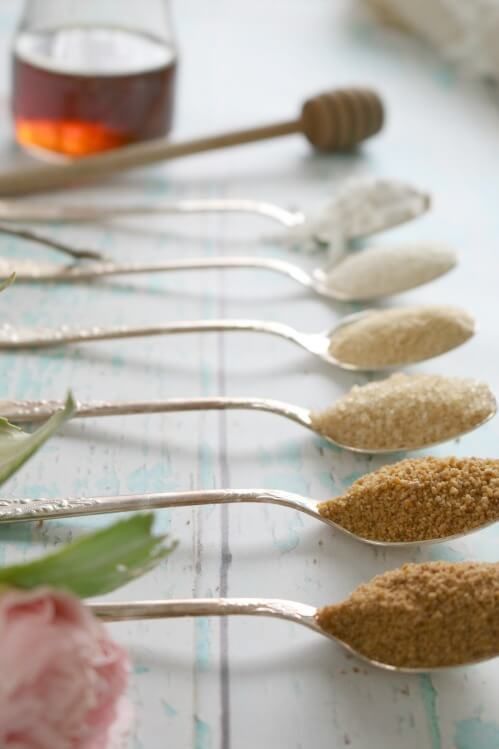
PT Karya Ekspor Nusantara – In the world of baking and cooking, the choice of sweetener can make a significant difference in the final outcome of a dish. From cookies and brownies to various savory recipes, the type of sugar used can impact the texture, flavor, and even the nutritional profile of the end result. In this comprehensive blog post, we’ll delve into the intricacies of different sugars, including brown sugar, palm sugar, and their counterparts, to help you make informed decisions in the kitchen.
Understanding Brown Sugar
Brown sugar is a type of sugar that is produced from sugarcane. It is made by adding molasses back to refined white sugar, resulting in a product that has a distinct caramel-like flavor and a slightly moist texture. There are two main types of brown sugar: light brown sugar and dark brown sugar. The primary difference between the two lies in the amount of molasses present.
Light brown sugar contains a smaller percentage of molasses, typically around 3.5%, while dark brown sugar has a higher molasses content, around 6.5%. This increased molasses content not only gives dark brown sugar a deeper, more complex flavor but also contributes to its slightly higher moisture content and slightly stickier texture.
Exploring Palm Sugar
Palm sugar, also known as coconut sugar or gula aren, is a type of sweetener that is derived from the sap of various palm trees, such as the coconut palm or the aren palm. Unlike brown sugar, which is made from sugarcane, palm sugar is a completely natural and unrefined product. The sap is collected, boiled, and then dried or pressed into blocks or granules.
Palm sugar has a distinct flavor profile that is often described as caramel-like, with notes of butterscotch or even a slight smokiness. It is also known for its relatively low glycemic index, making it a popular choice for those looking to manage their blood sugar levels.
Comparing Sugars: Characteristics and Effects
When it comes to baking, the choice of sugar can have a significant impact on the final texture and flavor of the final product. Brown sugar, with its higher molasses content, tends to produce baked goods that are more moist and tender, with a deeper, richer flavor. In contrast, white sugar, which is more highly refined, results in baked goods that are drier and more crisp.
Palm sugar, on the other hand, can impart a unique caramel-like flavor to baked goods, as well as a slightly softer texture. Its lower glycemic index also makes it a popular choice for those looking to reduce their sugar intake.
Hygroscopic Properties and Their Impact
One important factor to consider when working with different sugars is their hygroscopic properties, or their ability to absorb moisture from the surrounding environment. Brown sugar, with its higher molasses content, is more hygroscopic than white sugar, meaning it will absorb more moisture from the air. This can result in baked goods that remain softer and more moist for longer periods of time.
Palm sugar, on the other hand, is less hygroscopic than brown sugar, which can lead to baked goods that are drier and more crumbly. However, this can be mitigated by adjusting the recipe and baking techniques to account for the different moisture levels of the sugar being used.
Substituting Sugars in Recipes
When it comes to substituting one type of sugar for another in a recipe, it’s important to consider the potential impact on the final outcome. While it is generally possible to substitute palm sugar for brown sugar or vice versa, the resulting texture and flavor may differ. It’s always a good idea to experiment and adjust the recipe as needed to achieve the desired results.
For example, if you were to substitute palm sugar for brown sugar in a brownie recipe, the resulting brownies may be slightly drier and have a more pronounced caramel-like flavor. Adjustments to the recipe, such as increasing the amount of liquid or adjusting the baking time, may be necessary to achieve the desired texture and flavor profile.
Conclusion
Understanding the differences between brown sugar, palm sugar, and other sweeteners is crucial for any home cook or baker who wants to create consistently delicious and well-textured baked goods and dishes. By exploring the unique characteristics and effects of these various sugars, you can make informed decisions about which one to use in your recipes, ultimately leading to more successful and satisfying culinary creations.