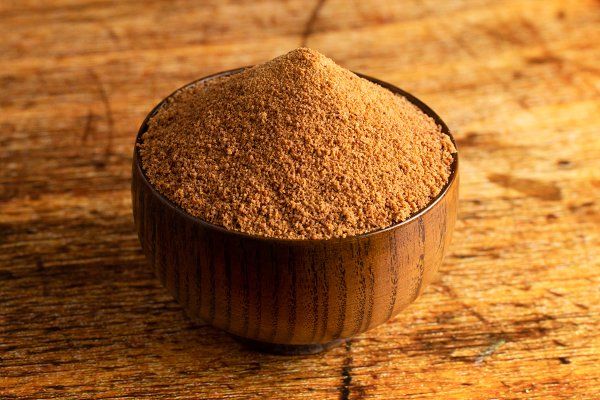
In the realm of sweeteners, brown sugar and palm sugar stand out as distinct choices, each offering a unique set of characteristics. This article delves into the five key differences between these two sugars, with a special focus on the palm sugar industry as a prominent exporter from Indonesia.
- Raw Materials Origins: Brown sugar is typically derived from sugarcane or sugar beet, undergoing a refining process that retains some molasses. On the other hand, palm sugar, a specialty of Indonesia, is extracted from the sap of certain palm trees, such as the coconut palm or date palm. The process involves tapping the sap, which is then heated to produce palm sugar.
- Production Process: The production processes for brown sugar and palm sugar differ significantly. Brown sugar undergoes refining and crystallization, with molasses added back for its characteristic color and flavor. Palm sugar, however, is more straightforward, involving the collection and evaporation of palm sap without extensive refining.
- Flavor Profiles: Brown sugar is known for its rich, caramel-like flavor due to the presence of molasses. On the contrary, palm sugar boasts a unique taste that can range from subtle caramel notes to complex, earthy undertones. The distinct flavors make each sugar type suitable for specific culinary applications.
- Nutritional Composition: Brown sugar contains some vitamins and minerals due to the molasses content, including small amounts of calcium, potassium, and iron. Palm sugar, however, is often praised for its natural composition, featuring vitamins such as B1, B2, B3, and B6, along with essential minerals like potassium, magnesium, zinc, and iron.
- Palm Sugar Exporter from Indonesia: Indonesia plays a pivotal role as a major exporter of palm sugar, meeting global demand for this unique sweetener. The country’s rich biodiversity and ideal climate for palm cultivation contribute to the high-quality palm sugar that is cherished worldwide. Indonesian palm sugar is recognized not only for its taste but also for its natural and traditional production methods.
Conclusion: While both brown sugar and palm sugar serve as sweeteners, understanding the differences between them is crucial for making informed choices in cooking and baking. With a spotlight on Indonesia as a significant palm sugar exporter, it’s evident that the global culinary landscape benefits from the diverse and distinctive qualities offered by these two sugars.