Is Palm Sugar a Natural Sweetener?
Palm Sugar Exporter From Indonesia – Palm sugar is a natural sweetener derived from the sap of palm trees. It’s a secret ingredient in many delicious sweets from South East Asia, the Middle East, and North Africa, and can also be used to add flavor to curries and sauces. The sweet nectar is present in the flowers of palm trees and is often referred to as “sap.” To collect the sap, people cut the flowers, bundle them up, and hang them upside down to allow the sap to ooze out into a container below.
This sap can also be used to make a unique alcoholic beverage called toddy, which is why some people refer to it as “toddy palm tree” or “toddy sugar.” Other natural sugars, like date palm sugar and coconut palm sugar, are produced in a similar way from the sap of their respective trees.
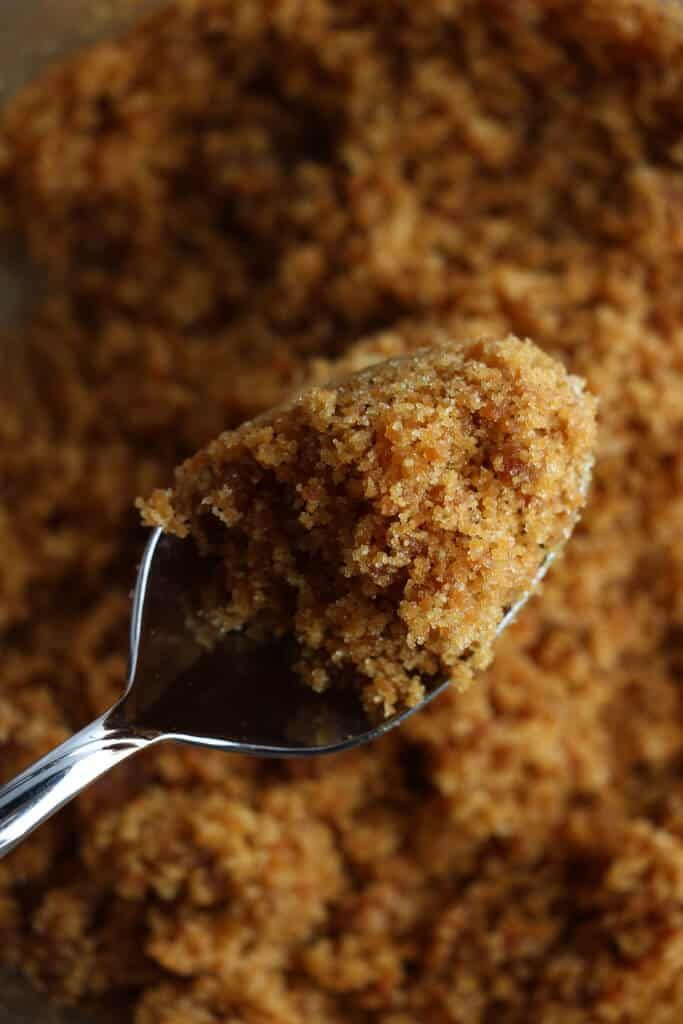
Unlike regular table sugar, which goes through extensive chemical processing to achieve its bright white color, palm sugar is 100% natural. The collected sap is simply boiled down until it loses moisture, transforming into a thick, syrupy substance that then crystallizes as it’s heated further. Palm sugar is available in various forms, including crystals, powder, and syrup, and can be easily incorporated into recipes by scooping, mixing, or drizzling.
Can Sugar Actually Have Nutrients?
Surprisingly, the answer is yes – palm sugar actually contains a variety of beneficial nutrients. While regular sugar offers little more than empty calories, palm sugar retains many of the vitamins and minerals present in the unprocessed, unrefined sap. This is due to the gentler production process, which allows the natural goodness to remain intact.
As a result, palm sugar is often found in small packets at cafes, allowing health-conscious consumers to easily incorporate this nutrient-dense sweetener into their beverages and dishes. Compared to honey, white sugar, and other popular sweeteners, palm sugar has a lower glycemic index, which helps keep blood sugar levels more stable.
The Health Benefits of Palm Sugar
While palm sugar is still a form of sugar and should be consumed in moderation, it does offer some potential health benefits when used as a replacement for more processed sweeteners. One of the key advantages is its high content of the mineral manganese, which is essential for maintaining healthy bones and reducing insulin resistance, potentially helping to stave off diabetes.
Palm sugar also contains a dietary fiber called inulin, which can promote good digestion by supporting gut health. Additionally, it’s rich in plant-based antioxidants known as phytonutrients, which can help protect cells from damage and reduce the risk of chronic illness.
Surprisingly, raw palm sugar is even higher in potassium than bananas and many green vegetables. Potassium is crucial for nerve and muscle function, as well as maintaining a healthy heart and blood pressure. However, it’s important to note that consuming large amounts of palm sugar solely for its potassium content is not recommended, as the excess calories could lead to weight gain and associated health issues.
Exploring Alternative Sweeteners
While palm sugar offers some nutritional advantages over refined white sugar, it’s still important to consume it in moderation as part of a balanced diet. For those looking to satisfy their sweet cravings in a healthier way, there are several alternative sweeteners worth considering:
Fruits
Fruits are nature’s original sweeteners, packed with essential vitamins, minerals, and dietary fiber that can help keep you feeling full and satisfied. When a sweet craving strikes, reaching for a piece of fruit can be a much more nutrient-dense option than reaching for a sugary treat.
Maple Sugar or Syrup
Similar to palm sugar in terms of nutritional profile, maple sugar and syrup offer a unique flavor that can be a great alternative in recipes and on pancakes. While the differences are subtle, maple sugar may have a slight edge over palm sugar in certain applications.
Date Sugar
Date sugar, made by grinding dried dates into a fine powder, is another natural sweetener option. However, it can be more challenging to incorporate into cooking and baking due to its tendency to leave behind particulates in the final dish.
Ultimately, the best sweetener for your needs will depend on your personal preferences, dietary requirements, and the specific recipe or application. By exploring these natural alternatives, you can satisfy your sweet tooth while also nourishing your body.
Have you had the chance to experiment with palm sugar or other natural sweeteners in your cooking? We’d love to hear about your experiences in the comments below!