When it comes to sweeteners, palm sugar and brown sugar are two popular choices that often find their way into kitchens around the world. While they may share a similar role in enhancing the sweetness of dishes, these sugars come from distinct sources and undergo different processes. Let’s delve into the nuances that set palm sugar and brown sugar apart.
1. Origin and Source:
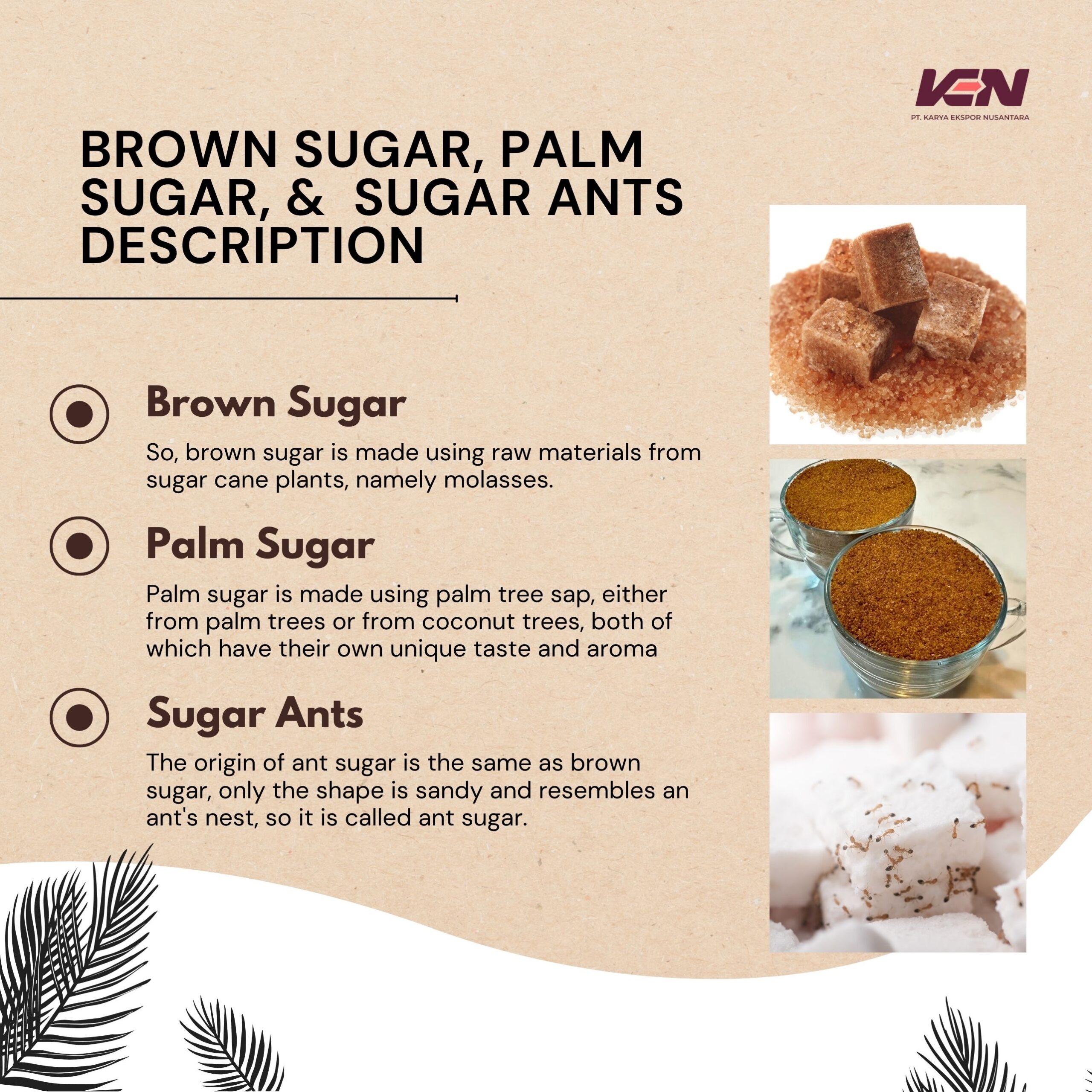
- Palm Sugar: Derived from the sap of various palm trees, palm sugar is a natural sweetener with roots in Southeast Asia. It is extracted by tapping the flower buds of palms, resulting in a unique flavor profile influenced by the specific palm species.
- Brown Sugar: Brown sugar, on the other hand, is typically made from either sugarcane or sugar beets. The brown color comes from the presence of molasses, which is either naturally occurring or added during processing.
2. Flavor and Aroma:
- Palm Sugar: Known for its complex and rich flavor, palm sugar carries subtle hints of caramel and toffee. The natural extraction process contributes to its unique taste, making it a favored ingredient in both sweet and savory dishes.
- Brown Sugar: Brown sugar boasts a milder flavor profile compared to palm sugar. The molasses content adds a slight hint of toffee, giving it a more straightforward sweetness.
3. Color and Appearance:
- Palm Sugar: Palm sugar is available in various shades, ranging from light golden to dark brown, depending on factors such as the type of palm tree and the processing method.
- Brown Sugar: The color of brown sugar can vary from light to dark brown, with the darkness directly linked to the molasses content. Light brown sugar has less molasses, while dark brown sugar has a higher concentration.
4. Texture:
- Palm Sugar: Palm sugar is often sold in solid forms like blocks, cakes, or granules. It has a crumbly texture, making it easy to portion and dissolve in both hot and cold liquids.
- Brown Sugar: Brown sugar is commonly found in granulated or packed forms. Its texture can range from soft and moist to dry and coarse, depending on the degree of molasses.
5. Nutritional Content:
- Palm Sugar: While both sugars contain calories, palm sugar is perceived as a slightly healthier option due to its lower glycemic index and trace amounts of vitamins and minerals.
- Brown Sugar: Brown sugar retains some minerals from the molasses, such as calcium, potassium, and iron. However, these nutritional differences are minimal.
In conclusion, while palm sugar and brown sugar share a common purpose in sweetening dishes, their distinct origins, flavors, and characteristics make them unique additions to various culinary creations. Whether you’re seeking the robust, earthy notes of palm sugar or the milder sweetness of brown sugar, understanding these differences allows you to make informed choices in the kitchen.